Week 3 and nothing's happened. Now what?
by Ben, co-founder
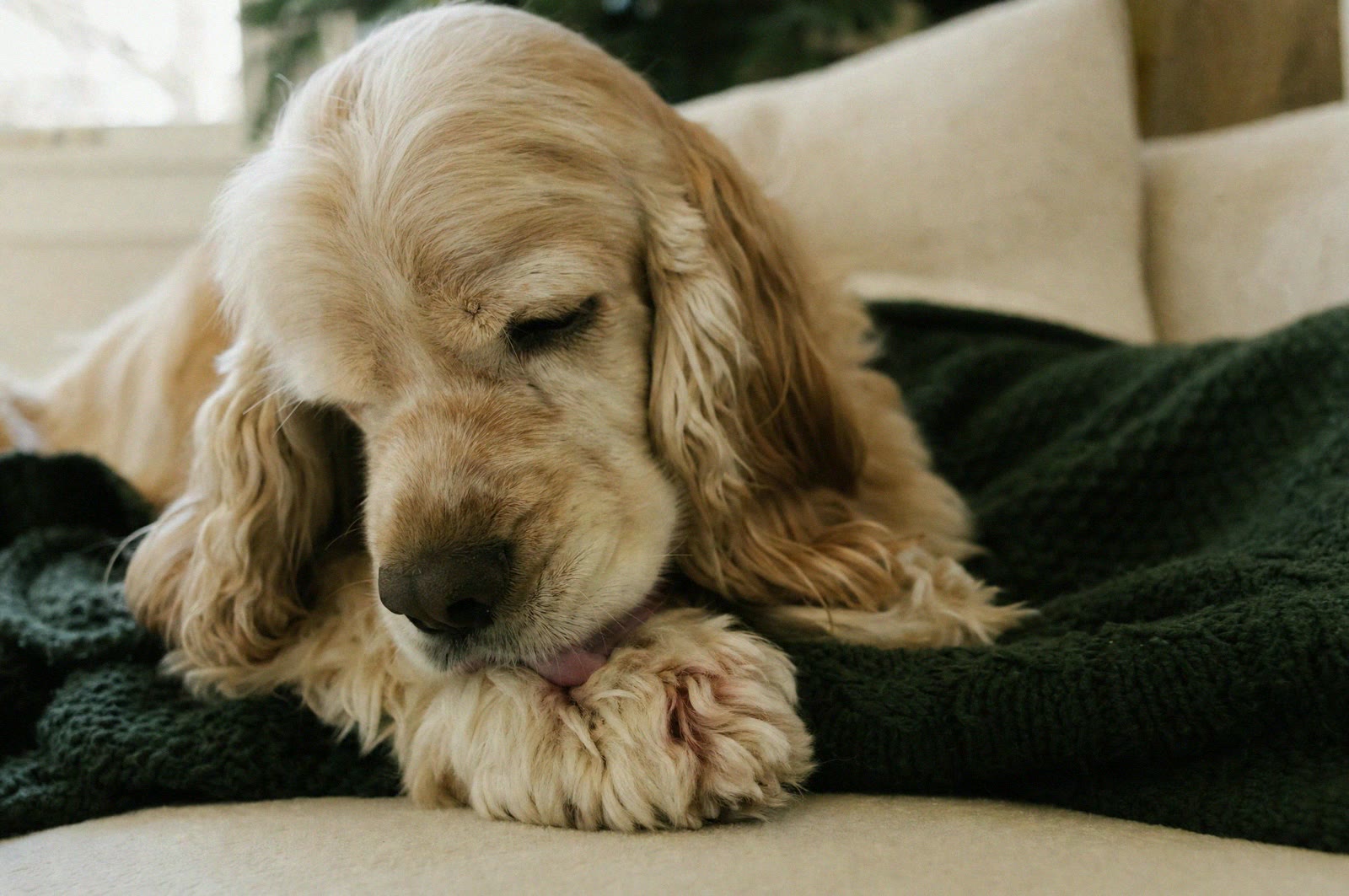
You're three weeks into the new food and the scratching looks exactly the same. This is the point most people quit. Here's why the evidence says you shouldn't.
What week three actually means
In the research, roughly half of genuinely food-allergic dogs show a real drop in itching around week three. Which means the other half show nothing yet - and plenty of those go on to improve at week five or six. By week five, more than 8 in 10 are dramatically better. By week eight, over 95%.
So a quiet week three rules nothing out. It just puts your dog in the half that takes longer.
Three things to do this week
- Compare to day one, not to yesterday. Watch your day-one video back, then look at your dog. Gradual change is invisible in daily side-by-sides and obvious across three weeks. This is exactly what the baseline film was for.
- Run the trial-breaker check. Flavoured flea or worm chews, dental sticks, a family member quietly sharing toast, the cat's bowl. If something's sneaking in, the clock hasn't really been running.
- Look at the tummy, not just the skin. Firmer, smaller, less frequent poos are real evidence the food agrees with them - the skin is just slower to show it.
The honest bit
If nothing at all has changed by week six - skin, tummy, nothing - that starts to be information, and we've written about what it means. But week three isn't week six. The trial's job is to give you a clean answer either way, and it can't do that half-finished.
Film this week's update anyway - the boring clips matter as much as the dramatic ones - and keep going.
read next…